
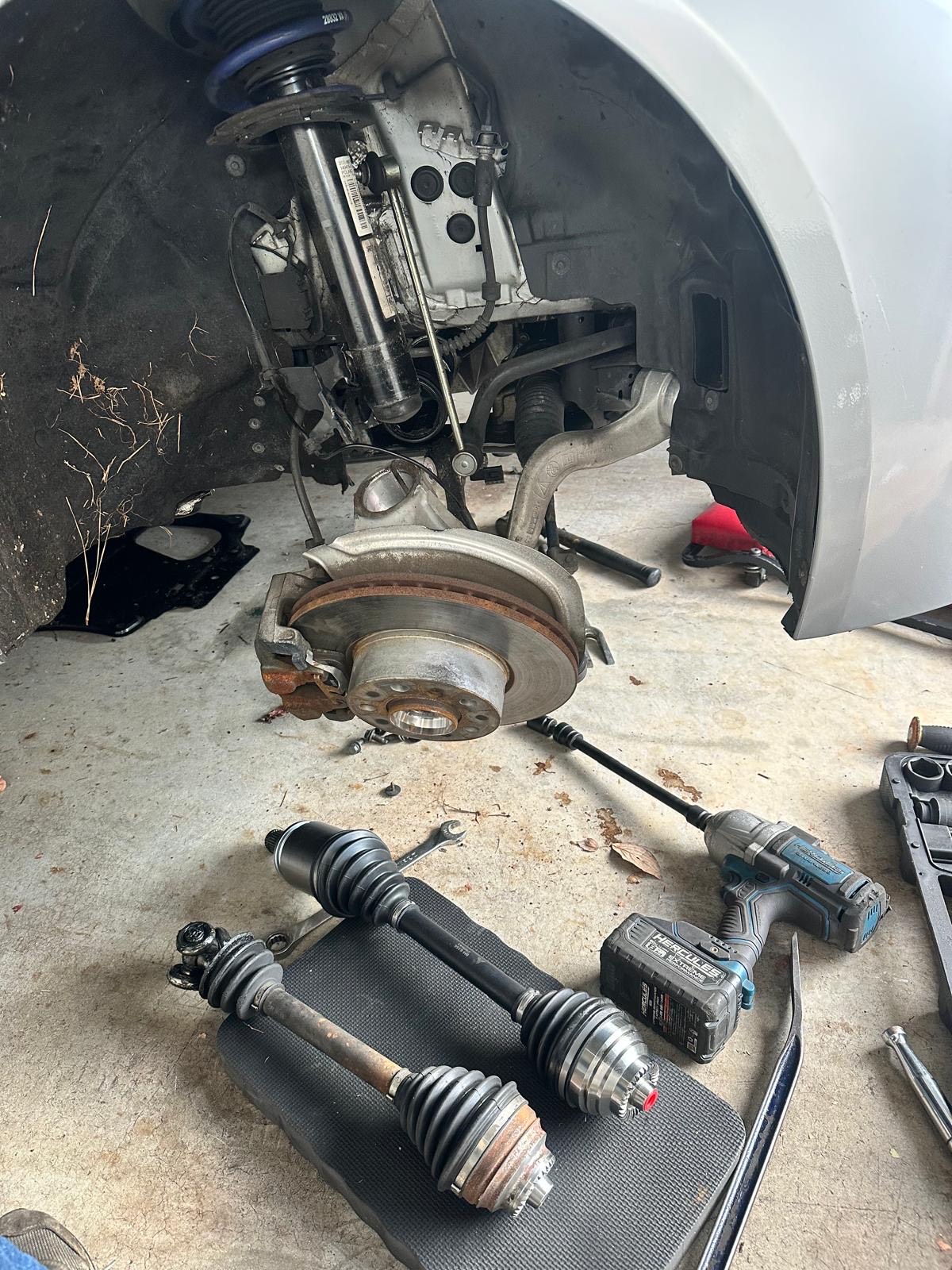
Your CV axle (constant velocity axle) transfers power from the transmission to the wheels while allowing suspension and steering movement. When a CV axle starts to fail, you may notice noises, vibrations, or drivability issues — and delaying repairs can lead to complete axle failure.
This guide explains the most common CV axle problems, warning signs, causes, and how a mobile mechanic can diagnose and repair the issue on-site.
Common CV Axle Symptoms
If your CV axle is worn or damaged, you may experience:
✔ Clicking or popping while turning
Often caused by a worn outer CV joint or loss of grease from a torn boot.
✔ Grease leaking from the CV boot
Grease splatter inside the wheel or along the suspension means the boot is cracked or split.
✔ Vibration during acceleration
A bad CV axle can cause shaking, steering wheel vibration, or shuddering at highway speeds.
✔ Clunking when shifting into drive or reverse
Indicates excessive axle play or a failing inner CV joint.
✔ Vehicle won’t move (severe failure)
A broken axle can prevent power from reaching the wheels and is unsafe to drive.
What Causes CV Axle Failure?
The most common causes include:
- Torn or leaking CV boots
- Dirt or moisture entering the joint
- Road debris or pothole impact
- High mileage wear
- Rust or corrosion
- Heavy towing or rough road use
Early inspection can prevent costly drivetrain damage.
How a Mobile Mechanic Diagnoses CV Axle Problems
A mobile mechanic can inspect and repair CV axle issues at your home or workplace — no towing required.
Typical diagnostic steps include:
- Visual inspection of CV boots, joints, and grease leaks
- Road test to check for clicking, vibration, or clunking
- Suspension and wheel hub check to rule out ball joints, bearings, and tie rods
This ensures an accurate and professional diagnosis.
CV Axle Repair & Replacement
In most cases, the best solution is complete CV axle replacement, especially if the joint is noisy or contaminated.
A mobile mechanic will:
- Remove the damaged axle
- Install a new OEM-quality or premium replacement
- Torque components to factory spec
- Perform a test drive
Most repairs take about 1–2 hours per side.
Boot-only repair is only recommended if the tear is fresh and the joint is still clean.
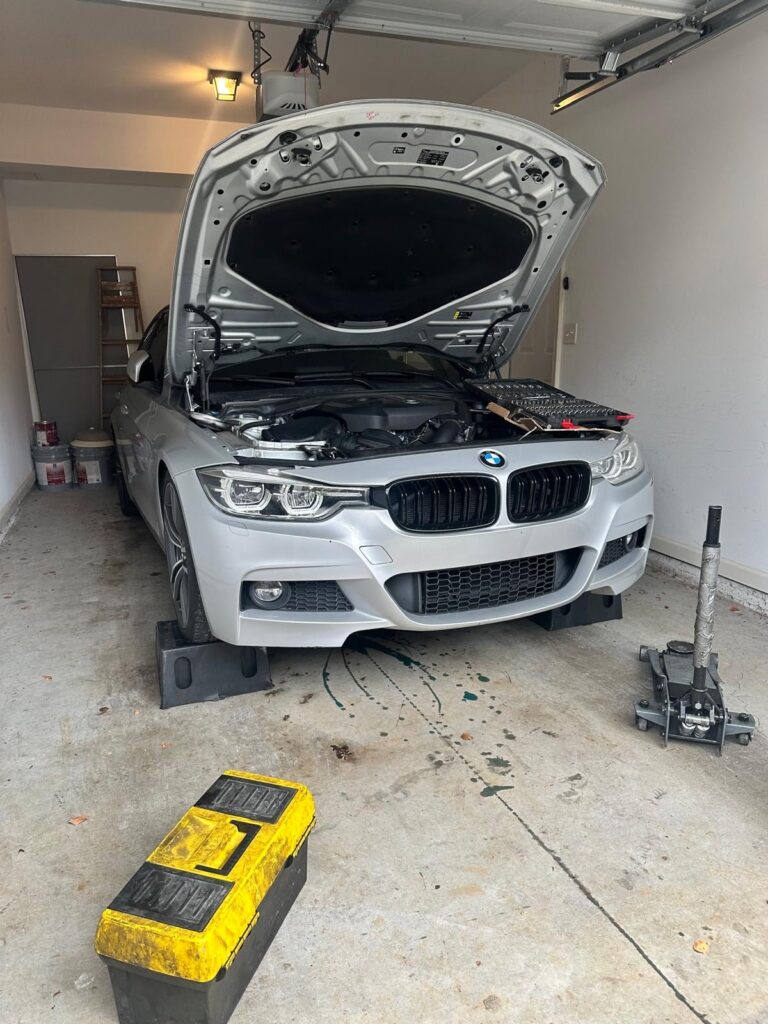
Why Choose a Mobile Mechanic for CV Axle Service?
Mobile CV axle repair offers:
- Convenient on-site service
- No tow truck or shop wait time
- Professional diagnostics
- Transparent pricing
It’s a fast and reliable way to fix drivetrain issues and get you safely back on the road.