
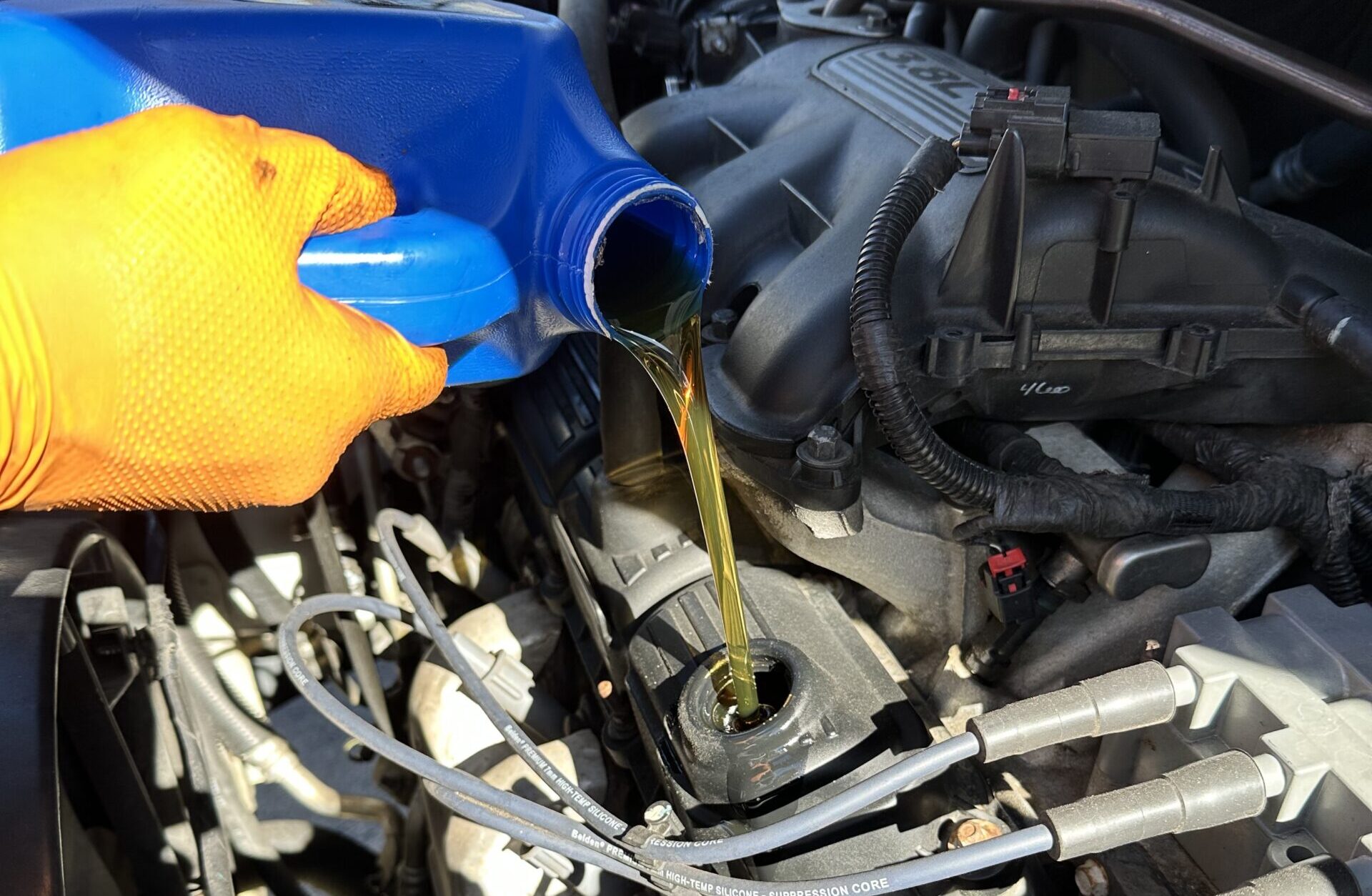
Discover when to change your oil, warning signs to watch for, and the benefits of professional mobile oil change service at your location.
An oil change service is one of the most important maintenance services you can do for your vehicle. Skipping or delaying your oil change service can lead to poor performance, expensive repairs, and even complete engine failure. Whether you drive daily or only occasionally, regular oil changes are critical to keeping your engine healthy and extending its lifespan.
Skipping this simple procedure can lead to costly repairs, as detailed in this post on from Penzoil, you can see what happens if you skip an oil change. To ensure your vehicle runs smoothly year-round, be sure to schedule all of your required upkeep using our mobile maintenance services page.”
Why Oil Changes Are So Important
Engine oil plays several vital roles in your vehicle:
- Lubrication: Reduces friction between moving engine parts
- Cooling: Helps regulate engine temperature
- Cleaning: Prevents sludge and debris buildup
- Protection: Reduces wear and corrosion inside the engine
Over time, oil breaks down and becomes contaminated with dirt, metal particles, and combustion byproducts. When this happens, it can no longer protect your engine effectively.
A fresh oil change keeps your engine running smoothly, improves fuel efficiency, and helps avoid costly breakdowns.
How Often Should You Get an Oil Change?
Oil change intervals depend on your vehicle, driving habits, and oil type:
- Conventional oil: Every 3,000–5,000 miles
- Synthetic blend: Every 5,000–7,000 miles
- Full synthetic oil: Every 7,500–10,000 miles
If you drive in stop-and-go traffic, tow loads, drive short distances, or operate in extreme heat, you may need oil changes more frequently.
Always follow your manufacturer’s recommendations, but when in doubt, changing oil earlier is safer than waiting too long.
Signs It’s Time for an Oil Change
If you notice any of these warning signs, your vehicle may be overdue for an oil change:
- Oil or check engine light on
- Engine running louder than usual
- Dark, dirty oil on the dipstick
- Burning oil smell
- Reduced fuel efficiency
- Rough or sluggish engine performance
Ignoring these signs can result in increased engine wear or serious mechanical damage.
Benefits of Regular Oil Changes
Keeping up with routine oil changes provides long-term benefits, including:
- Longer engine life
- Better fuel economy
- Smoother performance
- Lower emissions
- Reduced repair costs
Regular oil service is a small investment that prevents major expenses down the road.
Mobile Oil Change: Convenience That Saves You Time
A mobile oil change service brings professional auto maintenance directly to your home or workplace. There’s no waiting room, no towing, and no wasted time. A certified mobile mechanic can inspect your vehicle, replace the oil and filter, and make sure everything is running properly—all on-site.
This is an ideal solution for busy schedules, fleets, or vehicles that aren’t safe to drive.
Final Thoughts
An oil change is simple, affordable, and essential. Staying on schedule protects your engine, improves reliability, and keeps your car running at its best. If you’re unsure when your last oil change was, it’s probably time to schedule one.
Regular maintenance today prevents major repairs tomorrow.